UKREiiF 2026: Progress in a Holding Pattern


Despite a challenging backdrop, this year’s UKREiiF reflected an industry that is not standing still, but one that is recalibrating. Across conversations, a consistent theme emerged: the market is tough, but participants are adapting, not retreating.
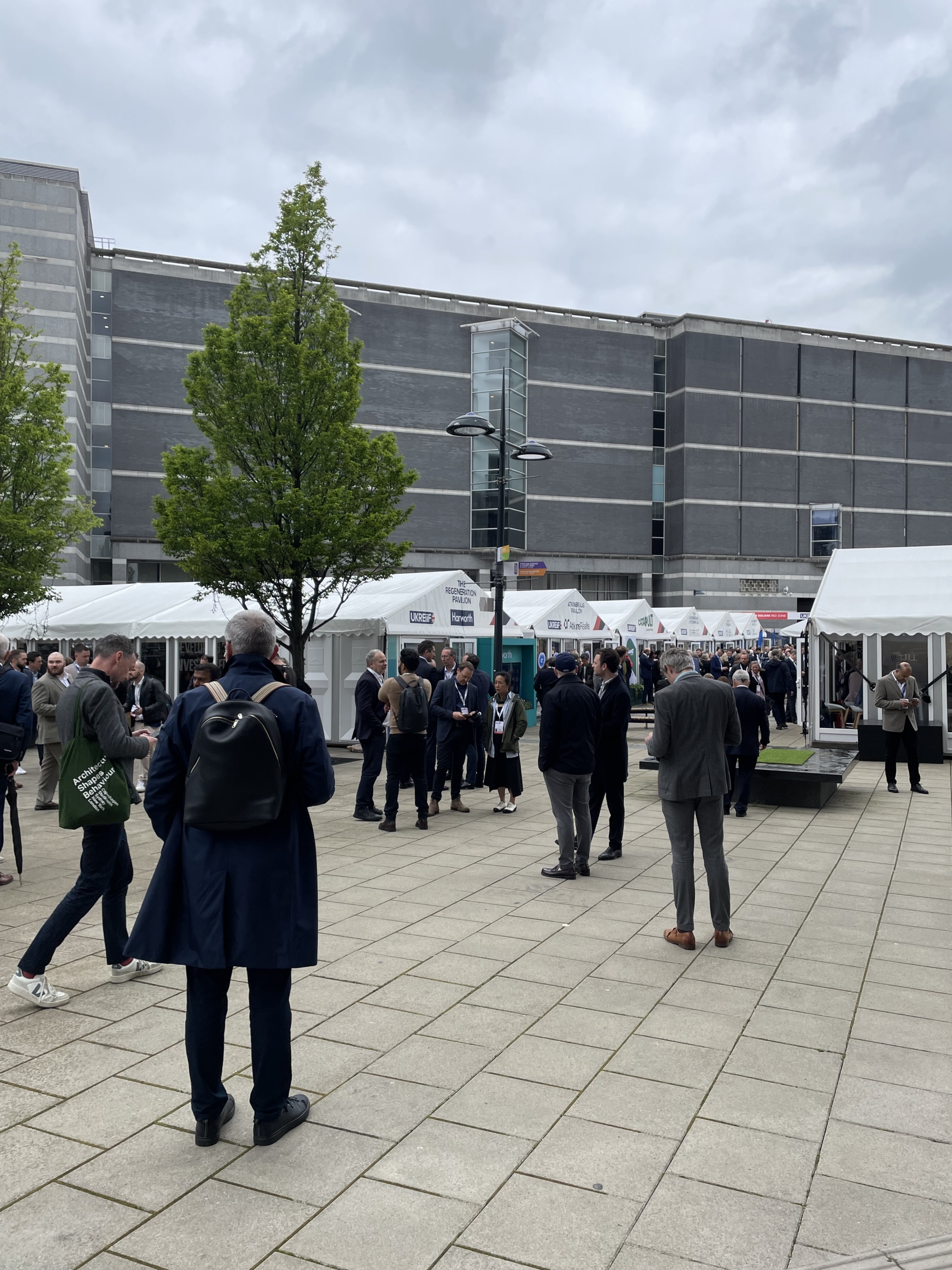
A market seeking stability
Sentiment on the ground was notably subdued.
Ongoing geopolitical and domestic uncertainty, from international tensions to shifting political leadership narratives, continues to weigh on confidence. At the same time, persistently high construction costs and elevated bond yields are constraining activity.
The result is a market that is waiting. Not for opportunity, but for stability.
Capital is cautious, and more selective
This uncertainty is clearly feeding through into fundraising activity.
Very few new funds are coming to market, and those that are launching are often doing so with less capital than originally targeted. Managers are progressing transactions where they can, but with a more pragmatic lens on scale and timing.
This is not a freeze, it is a reset of expectations.
Global capital is shifting shape
While the US remains the single largest investor into UK real estate, its role is evolving.
Capital from the US is largely focused on funding investment transactions rather than development, reflecting a preference for lower-risk deployment. At the same time, European and Middle Eastern investors are becoming more active, gradually reshaping the capital mix.
Closer to home, there is also a growing expectation that domestic capital, particularly from government and LGPS investors, will play a bigger role, especially in underpinning social housing and infrastructure.

Sector conviction is being questioned
Long-standing areas of focus are no longer immune to scrutiny.
Build-to-Rent (BTR) and PBSA, previously seen as structural winners, are beginning to show signs of potential oversupply, often in the wrong locations or formats. As occupier needs evolve, the risk is not just excess space, but misaligned space.
The implication is clear: future success will depend less on sector labels and more on execution and relevance.
AI: opportunity, but not without concern
AI was a major talking point, but not in purely optimistic terms.
There is broad recognition of the efficiencies it can unlock, particularly across operations and decision-making. However, there is also a growing debate about its longer-term impact on real assets.
Some see a risk that increasing reliance on data and automation could commoditise real estate, concentrating control among a small number of large institutions. Over time, this could reduce responsiveness to rapidly changing occupier needs, the very factor that underpins long-term value.
Progress continues, but with realism
Perhaps the most encouraging takeaway was not optimism, but pragmatism.
Market participants are under no illusions about the challenges ahead. Yet, rather than pausing entirely, they are progressing what they can, adjusting deal structures, revisiting assumptions, and moving forward where opportunities remain viable.
The takeaway
UKREiiF 2026 did not signal a market in recovery, but it did highlight one that is actively repositioning.
- Capital is more selective
- Strategies are being reassessed
- Delivery models are under scrutiny
- And speed is no longer about urgency, but precision
In this environment, success will not come from trying to outpace the market, but from being structurally ready when it moves again.